


Less environmental impact
Reduced or eliminated AOX production reducing environmental impact

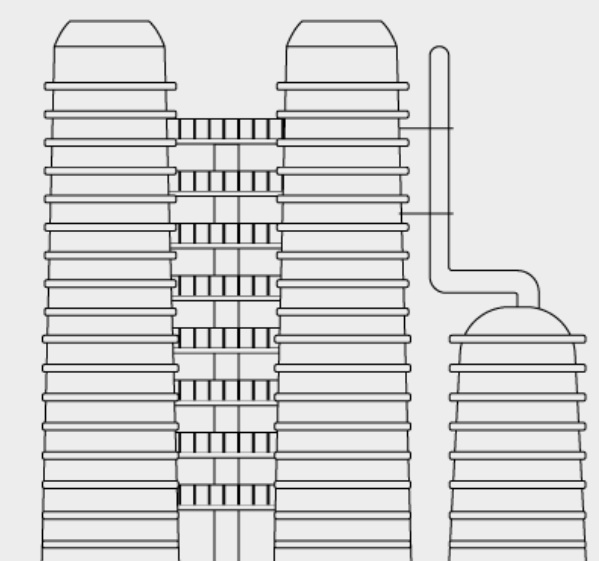
Oxygen delignification enhances yield in bleached pulp production and offers relevant operating cost advantages over the use of bleaching agents. Not less important is the environmental benefits it leads to, mainly the minimisation of adsorbable organic halides (AOX). Also, oxygen application leads to lower wastewater treatment oxygen requirements and less color in effluent.
Il processo di rimozione della lignina utilizza l'ossigeno per ridurre il fabbisogno di cloro attivo nell'impianto di sbiancamento.
Questo processo è un passo importante verso l'assenza di cloro totale (TCF) e di cloro elementare (ECF) nella produzione della pasta di cellulosa.
Reduced or eliminated AOX production reducing environmental impact
Lower overall bleaching chemical costs
Lower BOD/COD production and less colour in the effluent
Important bleaching step towards TCF or ECF pulp production and mill closure
Reduced wastewater treatment costs (COD and colour removal)
Better yield than extended cooking
– HCOD – High Consistency Oxygen Delignification
– MCOD – Medium Consistency Oxygen Delignification
(following bullets within MCOD)
– Double Stage
– Single Stage
– Mini
– Pre – bleaching cellulose HCOD and MCOD
applications are well stablished technologies, adapted
to the concept of a modern plant
22.10.2026
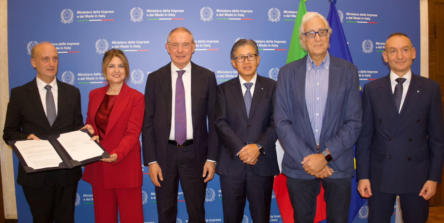
Rome, 22nd of October 2026. Italy and Japan are strengthening their industrial cooperation to foster new investments in semiconductors, electronics,…
23.09.2026
The company reports decreases of 44% in water consumption, 24% in waste generation and over 40% in GHG emissions. Madrid.…
17.09.2026
For the seventh consecutive year, Nippon Sanso Italia has published its Sustainability Report, covering the financial year ending 31 March…
At Nippon Gases we are called “The Gas Professionals” for a reason, and it’s because we’ll be able to solve any doubt.