


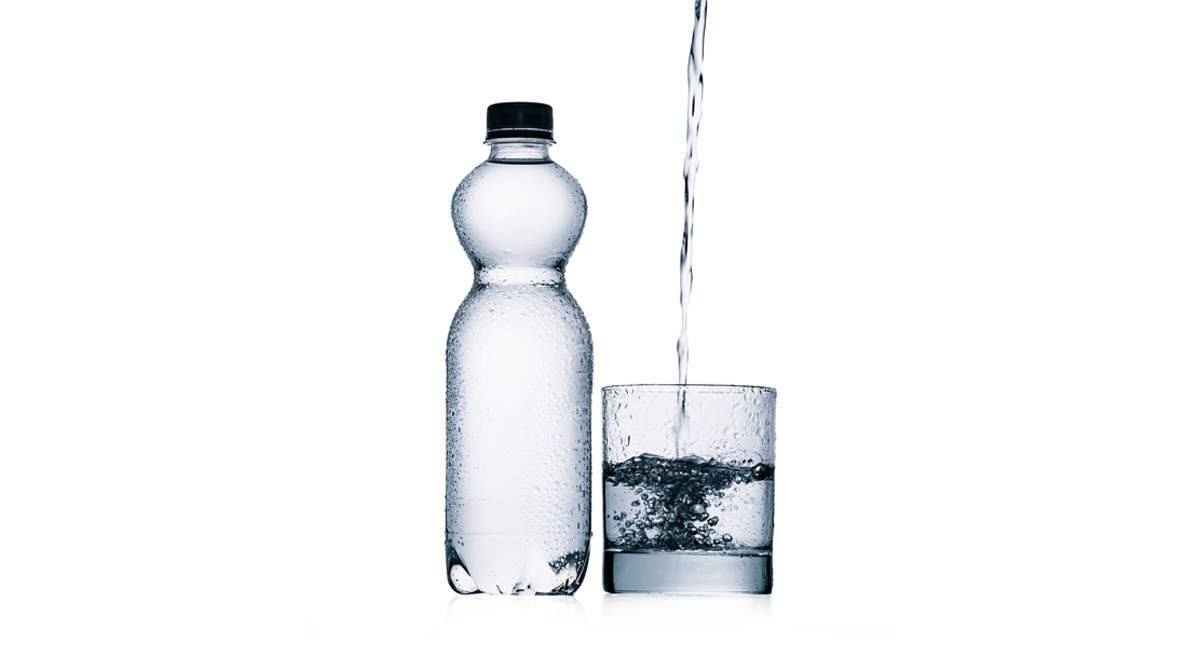
Mineral water
Carbon dioxide is used for carbonation, ensures freshness and extends shelf life (carbonated).
Liquid nitrogen allows inerting and stiffening of the PET container or cans (non-carbonated).

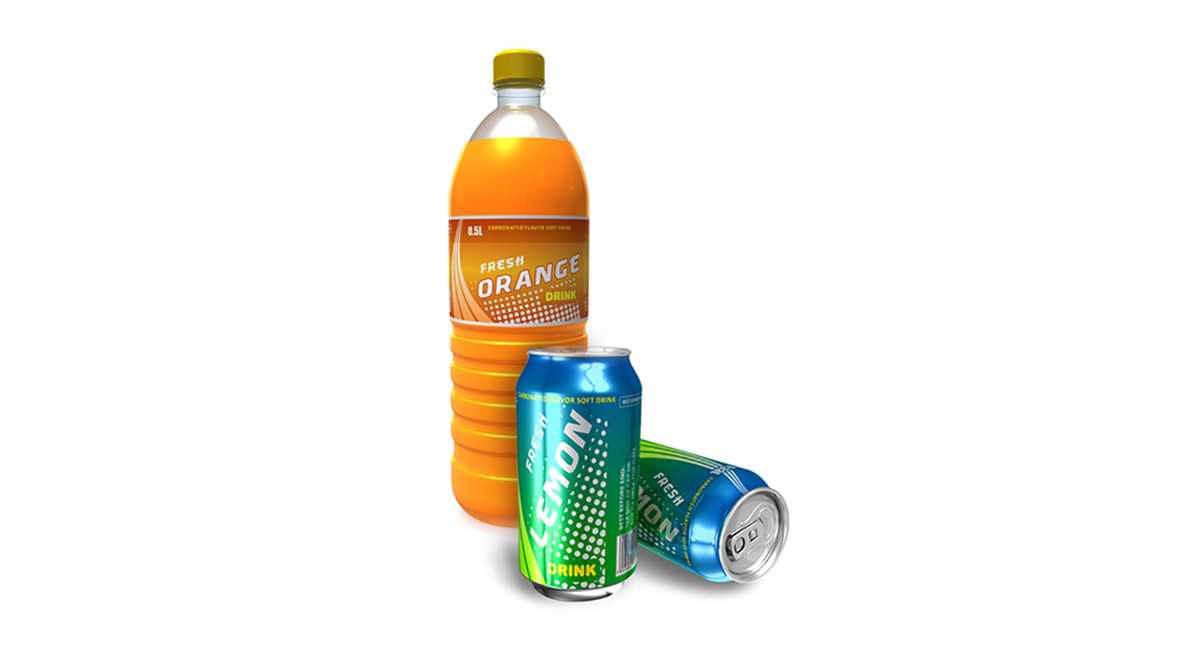
Wide range of solutions suitable for any kind of industrial process.
From large bottled beverage plants to smaller sparkling beverage can plants.
Carbon dioxide is used for carbonation, ensures freshness and extends shelf life (carbonated).
Liquid nitrogen allows inerting and stiffening of the PET container or cans (non-carbonated).
Carbon dioxide is used for gaseous purging, pressurization of tanks and filters, and transferring beer under pressure.
Carbon dioxide and nitrogen are used to improve foam thickness and stability.
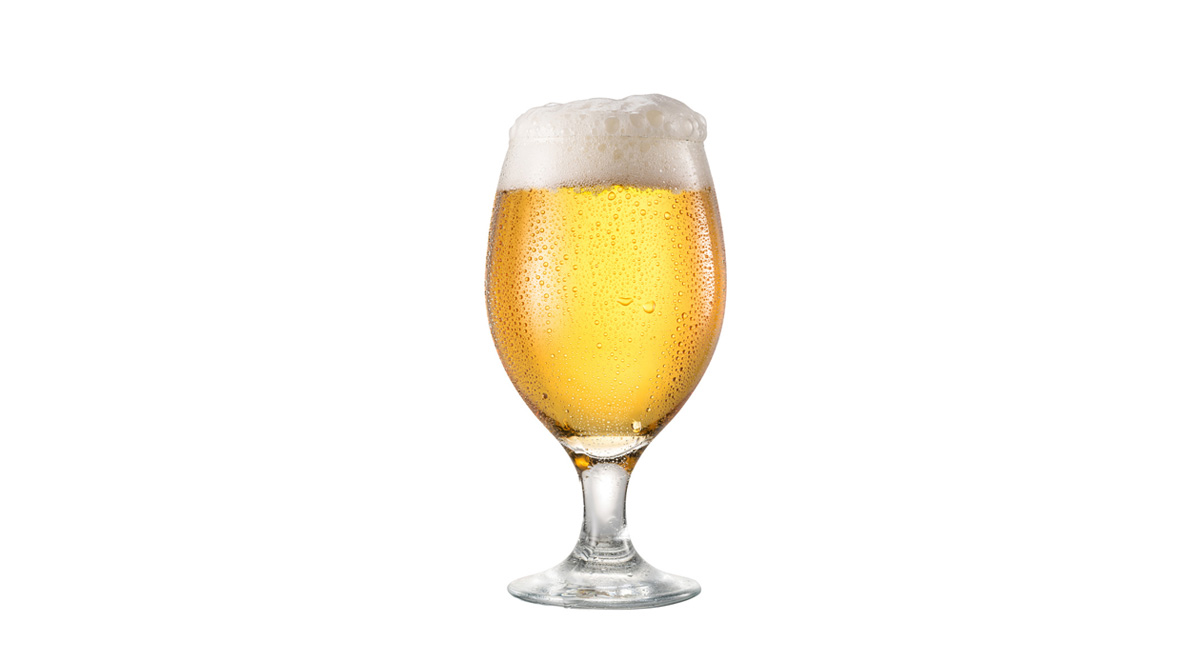
Nitrogen protects against oxidation and extends shelf life.
Liquid nitrogen allows stiffening of the PET container or cans
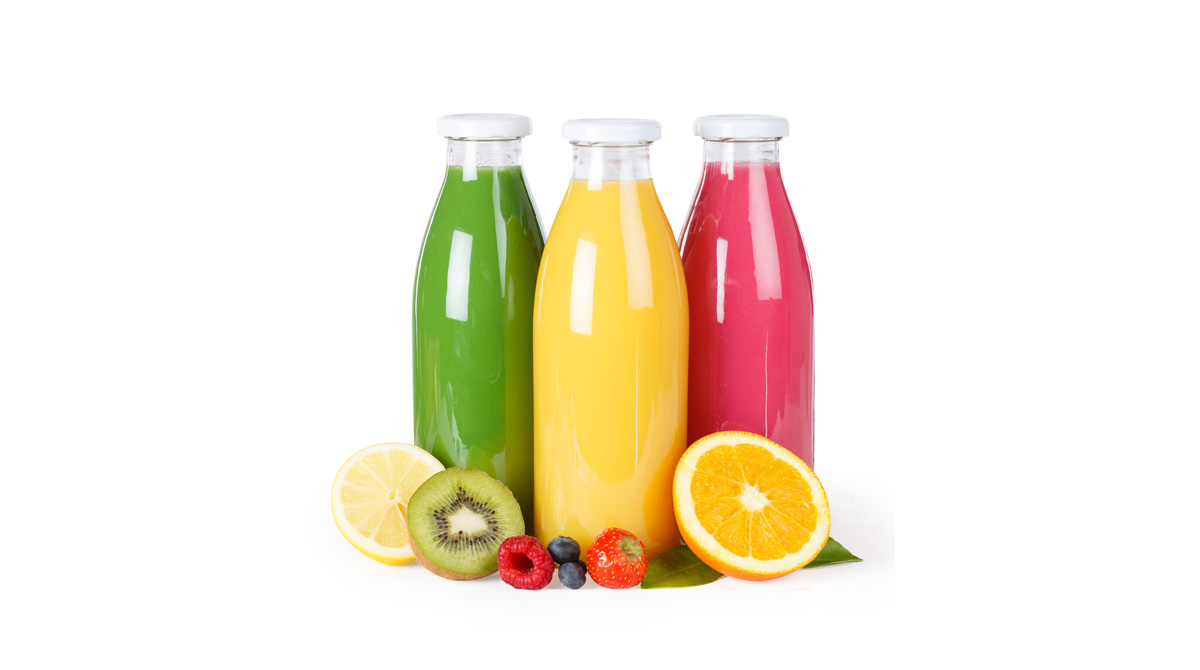
Carbon dioxide is used in blends for packaging in modified atmosphere.
Nitrogen is used for degassing and modified atmosphere packaging.

Carbon dioxide maintains freshness and extends shelf life.
Nitrogen protects against oxidation and extends shelf life (non-carbonated).
Liquid nitrogen allows stiffening of the PET container or cans.
Carbon dioxide, in the form of CO2 snow, during the pressing phase controls grapes temperature, protects grapes from oxidation and has a bacteriostatic effect.
Oxygen is used to promote micro-oxygenation.
Nitrogen is used pure or in mixture with argon for stripping, blanketing and pressing, and in the bottling phases.

Protection with nitrogen gas of perishable or chemically oxidizable food products (fruit juices, soft drinks, oils, food fats, etc.) inside storage tanks.
Stripping allows to eliminate unwanted volatile contaminants and to achieve a high purity of treated fluids.
It consists in installating a stripper on the pipes transferring the product to the storage tanks, or on the transfer lines from one process phase to another, for the injection of micro-bubbles of nitrogen gas into the liquids.
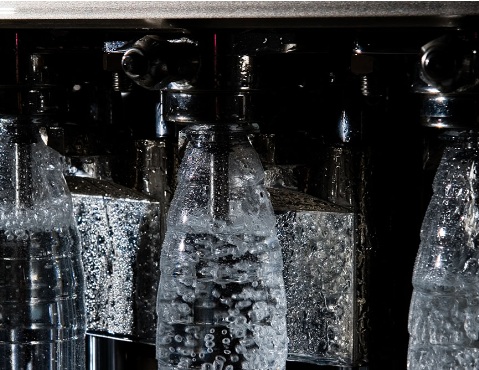
The Lin Dropper consists in introducing a drop of liquid Nitrogen in each package before the hermetic closure, in order to avoid:
Unwanted oxidation of the packaged product, due for example to the presence of Oxygen in the space above the liquid;
Lack of pressurization inside plastic bottles or aluminum cans of non-carbonated products (fruit juices or mineral water), which causes difficulties in the mechanical sealing of the packages when subjected to pressure, even simple stacking.
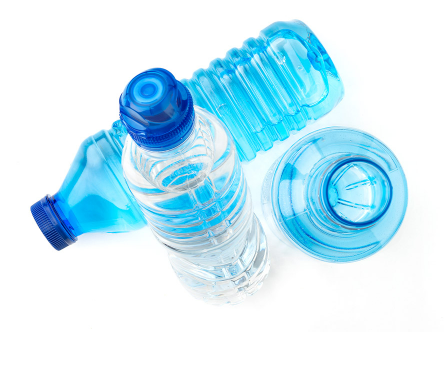
Nitrogen and Argon to protect the oil from Oxygen during storage and bottling.
In Nippon Gases we have developed various qualities of gases to adapt to your applications. Call us or write to us and we will help you get the most out of it.

23.09.2026
The company reports decreases of 44% in water consumption, 24% in waste generation and over 40% in GHG emissions. Madrid.…

17.09.2026
For the seventh consecutive year, Nippon Sanso Italia has published its Sustainability Report, covering the financial year ending 31 March…
01.07.2026
The investment strengthens the company’s position as a reliable engineering and technology partner across strategic markets Nippon Sanso Euro-Holding S.L.U.,…