


30
years of this technology

The 3D printing process has succeeded in the last few years, thanks to the development of fibre resources and a greater focus precision of the laser beam. But this is a complex process in repeatability that still needs more studies and improvement to overcome the lack of standards.
years of this technology
minutes to open the cabinet, a month to monetise the metal powder and close it
month to monetise the gas released
The influence of gases in the metal additive manufacturing process.
3D printing processes can be of different types: PBF, EBM, DED, FDM, and the most recent one WAAM. There are also many different metals, often noble ones, that can also be processed, reason why this is an expensive process. All these different processes have a common characteristic, which is to protect the manufactured product from oxidisation during construction and heat treatment phases.
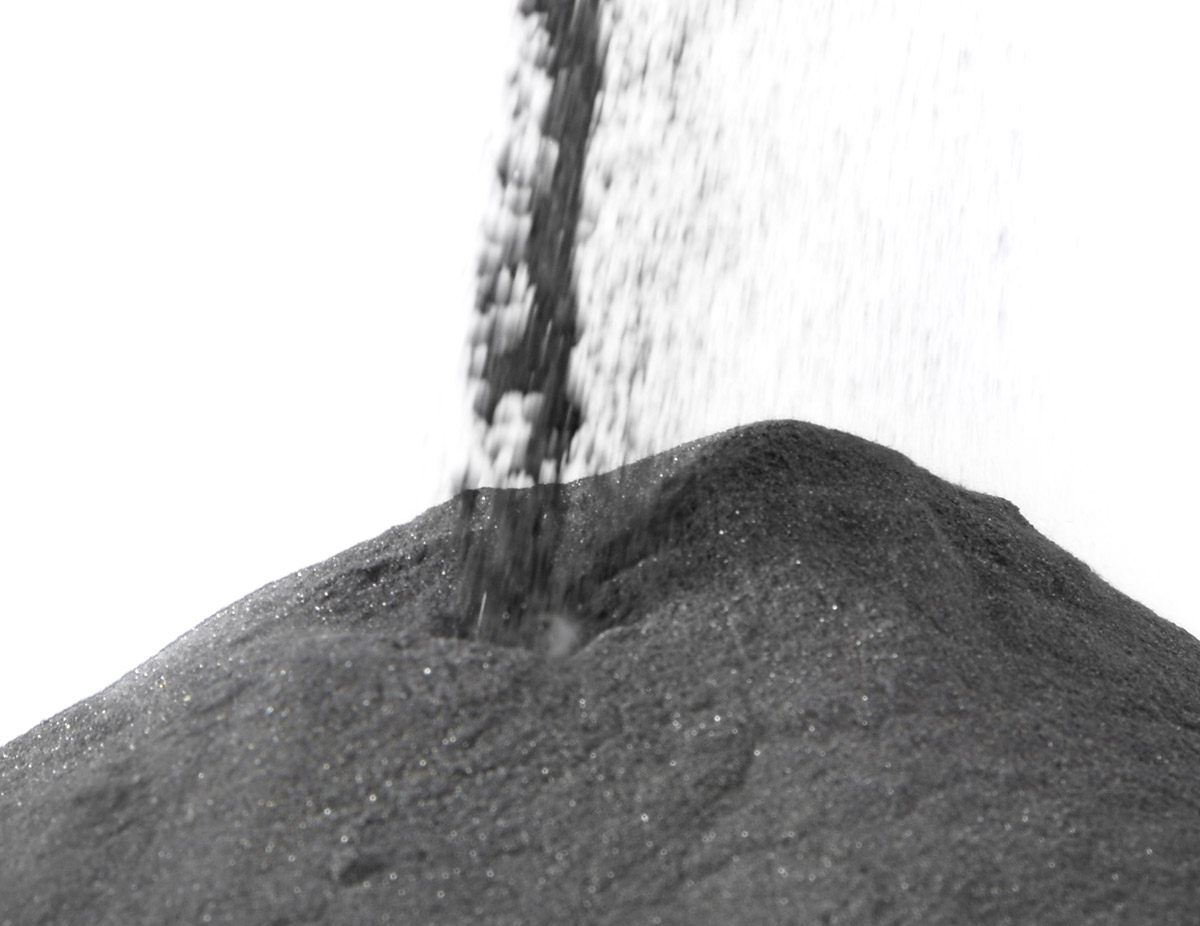
So, to preserve the metallurgical characteristics of the metal powder essential to obtain the finished product, it is important to use high-quality gas.
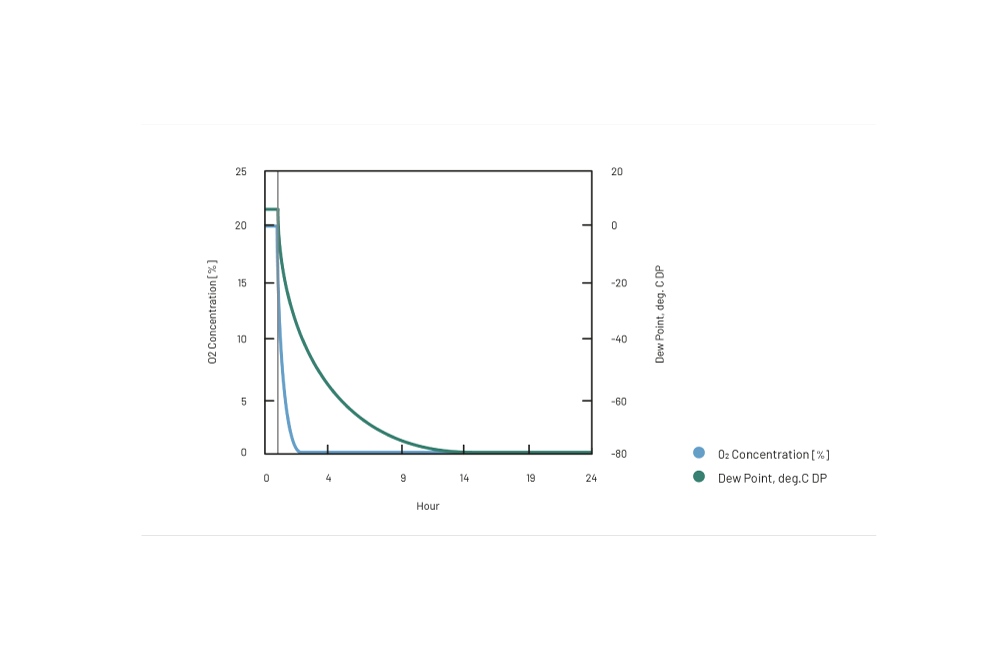
It is now common knowledge that oxygen is a pollutant that must be eliminated during the entire 3D printing processes and postprocess.
While, it is less known that moisture also affects negatively these processes, sometimes it is even more serious than the presence of oxygen. In this process, oxygen is a pollutant, therefore it must be erased from the equation. Moisture too, has negative effects on this process, sometimes its presence is even more harmful than oxygen.
Thanks to these studies, it was also possible to understand that the presence of both pollutants inside the chamber is directly proportional to the number of defects in the product.
Our R&D centres carried out some studies showing how these two pollutants cause imperfections in the metallurgical structure of products manufactured with the 3D printing process. Thanks to these studies, it was also possible to understand that the presence of both pollutants inside the chamber is directly proportional to the number of defects in the product.
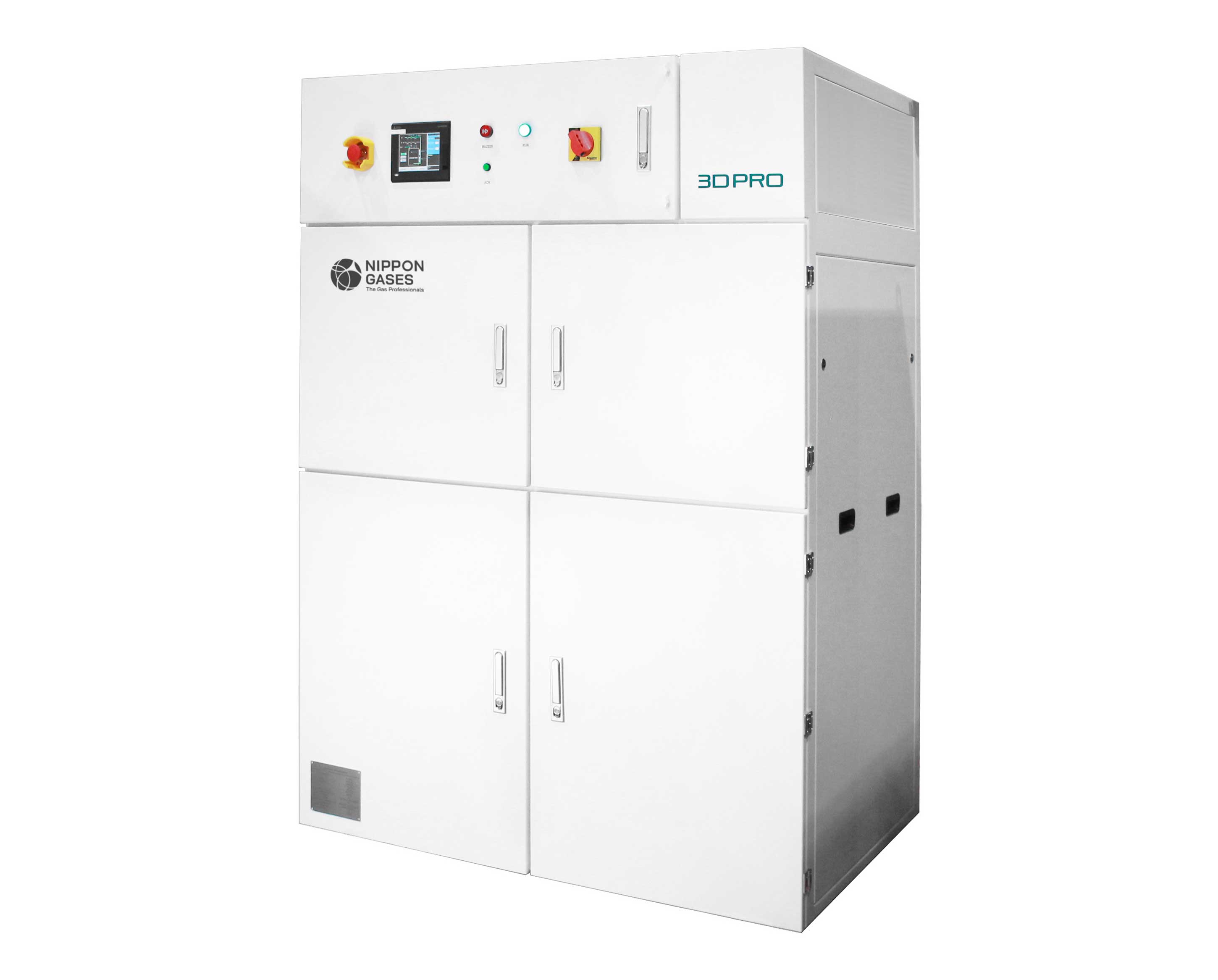
Nippon Gases has developed a chamber, the 3D Cabinet, to drastically reduce having products with defects due to oxygen and moisture presence. By eliminating these two parameters, the process can be stable and standard.
Thanks to this cabinet, the metal powder will be protected. The cabinet design guarantees inerting through a constant flow of inert gas, which is deactivated when the cabinet is open to withdraw metal dust and is reactivated when its door is closed. The cabinet has also heated support surfaces, bringing out moisture in the dust and eliminating it through the controlled inert gas flow.
Bij Nippon Gases worden we niet voor niets "The Gas Professionals" genoemd. Het is omdat we in staat zijn om al uw twijfels en problemen op te lossen.

31.03.2026
Nippon Gases, de Europese dochteronderneming van Nippon Sanso Holdings Corporation (hierna „de Groep“ genoemd), zal vanaf 1 april 2026 officieel…

18.03.2026
Nippon Gases, de Europese onderneming van Nippon Sanso Holdings Corporation, heeft voor het derde jaar op rij de EcoVadis Platinum…

24.09.2025
Nippon Gases, de Europese dochteronderneming van Nippon Sanso Holdings Corporation, kondigt aan dat het bedrijf vanaf 1 april 2026 zal…